Discover the Magic of Easy Almond Flour Banana Bread: Your Guide to a Moist, Gluten-Free Loaf
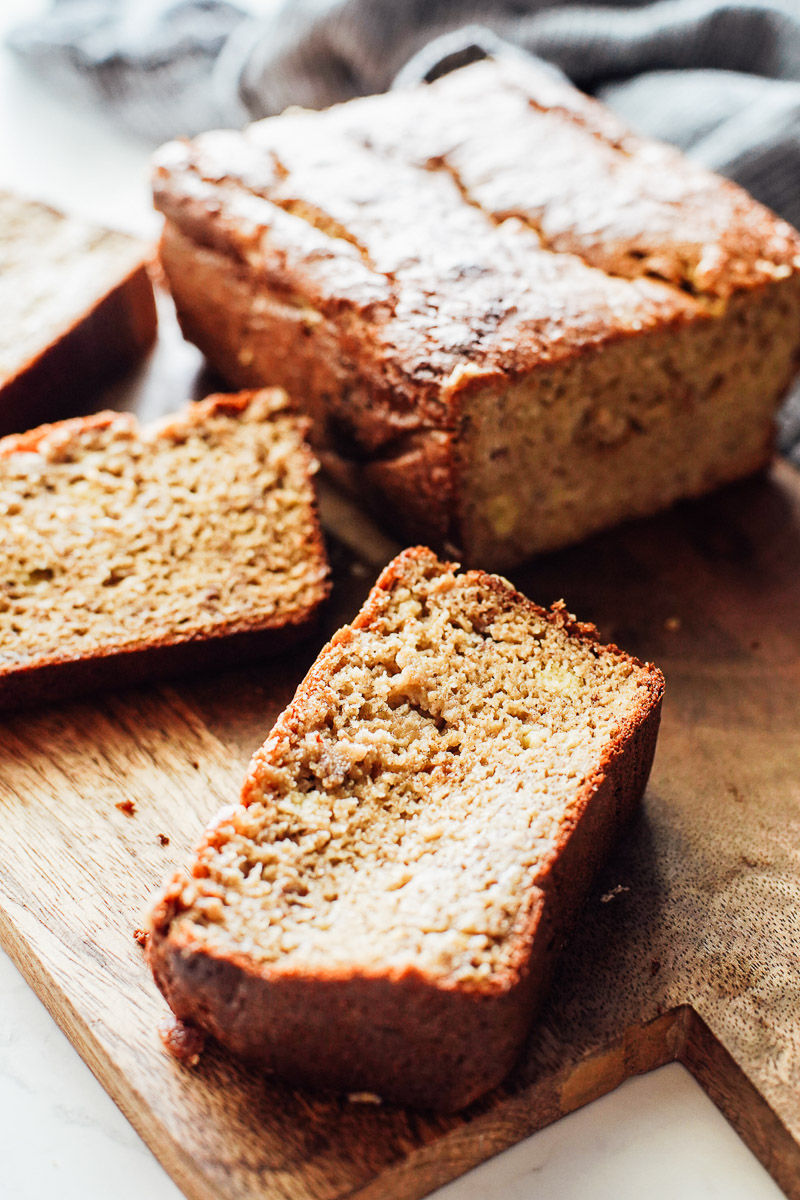
Imagine sinking your teeth into a slice of banana bread that’s wonderfully moist, incredibly tender, and satisfyingly sweet, yet completely free of gluten and dairy. This isn't just a dream – it's the reality of a perfectly crafted almond flour banana bread. Far from the dry, crumbly, or dense textures often associated with gluten-free baking, this recipe transforms humble ingredients into a bakery-quality treat that’s surprisingly easy to make right in your own kitchen.
For many, the quest for the ultimate banana bread is a lifelong journey. And for those navigating gluten sensitivities or simply seeking healthier alternatives, that journey can be fraught with disappointment. Traditional recipes often rely heavily on wheat flour for structure. But with the right techniques and a deep understanding of its unique properties, almond flour not only stands in as a superb gluten-free substitute but elevates the entire experience, delivering a loaf that is genuinely soft, light, and bursting with natural banana flavor. Get ready to turn those overripe bananas into a wholesome, delicious masterpiece that promises pure delight with every bite.
The Secrets to a Moist, Never-Dense Almond Flour Banana Bread Loaf
The hallmark of truly exceptional banana bread, especially a gluten-free one, is its texture. We're talking about that irresistible moistness and a crumb so soft it practically melts in your mouth, all while avoiding any hint of being dense or heavy. Achieving this perfect balance with almond flour banana bread isn't complicated, but it does hinge on understanding a few key principles that differ from traditional wheat-based baking.
Mastering the Ingredients for Perfect Texture
- The Power of Ripe Bananas: Don't throw away those spotted, brown bananas! Overripe bananas are the secret weapon in this recipe. As bananas ripen, their starches convert to sugars, intensifying their sweetness. Crucially, they also become softer and release more moisture, contributing significantly to the bread's tenderness and acting as a natural binder. Aim for bananas that are heavily speckled brown, or even almost black, for optimal results.
- The Almond Flour Advantage: Unlike wheat flour, almond flour is naturally high in fat and protein and low in carbohydrates. This unique composition means it absorbs liquids differently and inherently contributes moisture to baked goods. It’s this quality that helps create a wonderfully tender crumb, preventing the dryness often found in gluten-free alternatives.
- The Right Liquid Balance is Key: Here's where the magic truly happens. Because almond flour already provides moisture, and our overripe bananas add even more, the amount of additional liquid (like oil) needs to be carefully scaled back. A common pitfall in gluten-free baking is simply substituting almond flour 1:1 for wheat flour without adjusting other ingredients, leading to a dense or greasy result. For this recipe, only a small amount – typically around ¼ cup – of oil is required. This precise ratio ensures your loaf is moist without being heavy or sunken.
- The Essential Role of Eggs: In gluten-free baking, eggs play a vital role in providing structure and binding the ingredients together, especially in the absence of gluten. Using three large eggs helps create a well-rounded, fluffy loaf that holds its shape beautifully when sliced, making it a perfect dairy-free, grain-free, and gluten-free breakfast or snack.
- Choosing Your Oil Wisely: The beauty of this recipe lies in its versatility regarding oil. Coconut oil, avocado oil, and vegetable oil are all excellent choices. Coconut oil can impart a subtle, pleasant flavor, while avocado or vegetable oil offer a more neutral profile, allowing the banana flavor to truly shine. Each option contributes to a wonderfully moist crumb without adding dairy, aligning perfectly with a wholesome, gluten-free approach.
By carefully balancing these elements, you unlock the full potential of almond flour banana bread, creating a loaf that is effortlessly fluffy and dairy-free. For a deeper dive into crafting this perfect texture, check out our detailed guide: Almond Flour Banana Bread: The Secret to a Fluffy & Dairy-Free Loaf.
Understanding Almond Flour: Your Gluten-Free Baking Ally
To truly appreciate the unique qualities of this easy banana bread, it helps to understand its star ingredient: almond flour. This versatile, gluten-free flour has become a cornerstone for healthy baking, offering a delightful alternative to traditional grain-based flours.
Almond Flour vs. Almond Meal: Know the Difference
While often confused, almond flour and almond meal are distinct ingredients, and knowing the difference is crucial for baking success. Almond flour is made from blanched almonds, meaning the almonds have had their skins removed by boiling them briefly. They are then finely ground and sifted into a consistency that is remarkably similar to traditional wheat flour – light, powdery, and very fine. This fine texture is what contributes to the delicate, soft crumb of your banana bread.
In contrast, almond meal is made from whole almonds, including the skins, which are then ground. This results in a coarser, thicker texture, often resembling cornmeal. While almond meal is excellent for certain rustic bakes, crusts, or as a breading, its coarser nature and the presence of the almond skins can lead to a denser, more textured result in delicate baked goods like banana bread. For the light, fluffy, and "not dense" quality we aim for, fine, blanched almond flour is always the preferred choice.
The Nutritional & Culinary Benefits of Almond Flour
Beyond being naturally gluten-free and grain-free, almond flour boasts an impressive array of benefits that make it a favorite for health-conscious bakers:
- Rich in Nutrients: Almond flour is packed with protein, healthy monounsaturated fats, and dietary fiber, contributing to a more satisfying and nutritious treat. It's also a good source of Vitamin E, magnesium, and other essential minerals.
- Contributes to Moisture and Tender Crumb: Its higher fat content naturally keeps baked goods incredibly moist and tender, counteracting the dryness often associated with gluten-free alternatives.
- Neutral Flavor Profile: Because blanched almond flour is made without the skin, it has a very subtle, almost neutral flavor. This allows the primary flavors of your banana bread (those sweet, ripe bananas!) to shine through beautifully, without an overpowering almond taste.
- Versatile for Dietary Needs: In addition to being gluten-free, almond flour is often suitable for paleo, keto, and low-carb diets, making this banana bread a versatile option for various dietary lifestyles.
Practical Tips for Baking Your Best Almond Flour Banana Bread
Armed with the knowledge of almond flour's unique properties and the key ingredient ratios, you're well on your way to baking an outstanding loaf. Here are some practical tips to ensure your almond flour banana bread turns out perfectly moist, tender, and "not dense" every single time:
- Embrace the Overripe: We cannot stress this enough – the browner your bananas, the better! If your bananas aren't quite ripe enough, you can speed up the process by baking them unpeeled on a baking sheet at 300°F (150°C) for 15-30 minutes until their skins are shiny black and soft. Let them cool before mashing.
- Measure Precisely: Baking, especially with gluten-free flours, is a science. While a little flexibility is fine in cooking, precise measurements for almond flour and liquids are crucial for the desired texture. Use a kitchen scale for flour if possible, or spoon and level your almond flour carefully.
- Don't Overmix: Once you've combined the wet and dry ingredients, mix just until everything is incorporated. Overmixing can lead to a tougher texture, even with gluten-free flours. A few small lumps of banana are perfectly fine.
- Prepare Your Pan: For easy removal and cleanup, line your loaf pan with parchment paper, leaving an overhang on the longer sides. This acts as a sling to lift the baked bread out effortlessly. You can also lightly grease and flour (with almond flour) the pan.
- Cool Completely: Resist the urge to slice into your warm banana bread immediately. Almond flour baked goods need time to set and firm up as they cool. Slicing too early can result in a crumbly mess. Let it cool in the pan for at least 15-20 minutes before transferring to a wire rack to cool completely.
- Storage: Store your cooled banana bread in an airtight container at room temperature for up to 3 days, or in the refrigerator for up to a week. For longer storage, slices can be individually wrapped and frozen for up to 3 months.
- Get Creative with Add-ins: While delicious on its own, feel free to personalize your banana bread! Stir in a ½ cup of chocolate chips, chopped walnuts or pecans, or a teaspoon of cinnamon or nutmeg for extra flavor and texture.
By following these actionable tips, you'll consistently produce a delectable almond flour banana bread that defies all expectations of gluten-free baking. For a comprehensive step-by-step guide to perfecting your loaf, be sure to read our detailed instructions: Bake Perfect Almond Flour Banana Bread: Moist & Gluten-Free Guide.
Conclusion
Baking homemade almond flour banana bread is more than just making a treat; it's an experience that engages your senses and nourishes your body. With its effortlessly moist texture, delicate crumb, and naturally gluten-free composition, this recipe proves that healthy can indeed be incredibly delicious. By understanding the unique properties of almond flour, embracing the magic of overripe bananas, and balancing your liquids carefully, you can create a loaf that is never dense, always tender, and absolutely irresistible. So gather your ingredients, embrace the joy of baking, and prepare to savor the best gluten-free banana bread you've ever tasted – a true testament to the simple pleasure of wholesome, homemade goodness.
