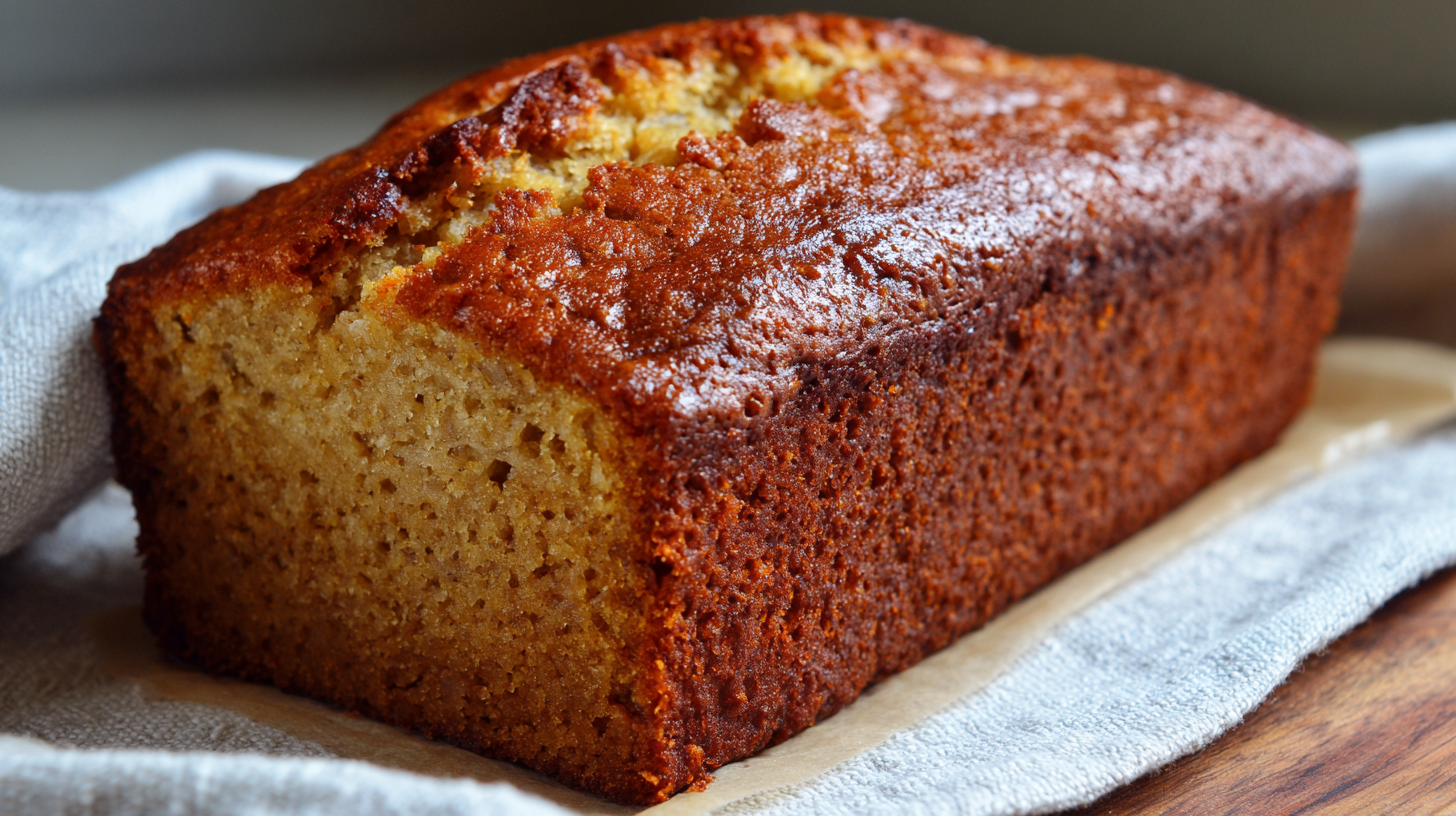
The Irresistible Appeal of Almond Flour Banana Bread
There's something uniquely comforting about the aroma of freshly baked banana bread wafting through your home. It's a scent that promises warmth, sweetness, and a touch of nostalgia. But what if you could enjoy that beloved classic in a way that's not only incredibly moist and flavorful but also naturally gluten-free and dairy-free? Enter almond flour banana bread – a delightful revolution for your taste buds and a fantastic addition to any healthy eating plan.
For many, baking is more than just combining ingredients; it's a therapeutic ritual, a moment of self-care, and a wonderful way to create something delicious to share with loved ones. This guide will walk you through the secrets to baking the perfect almond flour banana bread, ensuring a loaf that's tender, never dense, and packed with wholesome goodness. Get ready to transform those ripe bananas into a masterpiece!
The Magic Behind Perfectly Moist & Gluten-Free Almond Flour Banana Bread
Achieving a perfectly moist, soft-crumbed banana bread with almond flour requires understanding its unique properties. Unlike traditional wheat flours that rely on gluten for structure, almond flour operates on a different principle, making it a fantastic choice for those seeking gluten-free alternatives without sacrificing texture or flavor.
Understanding Almond Flour's Unique Role
Almond flour, made from finely ground, blanched almonds, is naturally higher in fat and protein and lower in carbohydrates than wheat flour. This composition contributes significantly to the characteristic moistness of baked goods. Its lack of gluten means it won't develop elasticity, which is a blessing in disguise for banana bread, as it helps prevent a tough texture. Instead, it creates a wonderfully tender and soft crumb that practically melts in your mouth.
However, the absence of gluten also means that the liquid-to-dry ingredient ratio becomes even more critical. Too much liquid, and your loaf might become gummy or sink in the middle. Too little, and you'll end up with a dry, crumbly result. The key is finding that sweet spot, which, for almond flour banana bread, often means adjusting down the typical liquid content compared to wheat flour recipes, as the almond flour itself and the mashed bananas contribute significant moisture.
The Power of Overripe Bananas
Never discard those spotty, brown bananas again! Overripe bananas are the unsung heroes of any great banana bread. As bananas ripen, their starches convert to sugars, intensifying their sweetness and flavor. More importantly, they become incredibly soft and moist, adding a natural, unctuous quality to your bake that's hard to replicate with less ripe fruit. They boost moisture, provide natural sweetness, and help you reduce food waste – a win-win-win!
The Secret to a Light, Not Dense, Loaf: Oil & Eggs
One common concern with gluten-free baking is density. Our mission is a light, fluffy loaf, and here's how we achieve it:
- Minimal Oil for Maximum Moisture: Because almond flour and mashed bananas are already moisture-rich, only a small amount of oil – typically around ¼ cup – is needed. This judicious use of fat ensures a wonderfully moist crumb without making the loaf heavy or greasy. You have flexibility here; coconut oil (melted), avocado oil, or even a light vegetable oil all work beautifully, making this a truly versatile and dairy-free option. Each oil offers a slightly different subtle flavor profile, so choose one that complements your preference.
- Eggs for Structure and Binding: Eggs play a crucial role in binding all the ingredients together, providing essential structure, and contributing to the loaf's overall richness and rise. Using about three large eggs helps create a well-rounded, stable loaf that holds its shape and slices beautifully, giving you that perfect dairy-free, grain-free, and gluten-free breakfast or snack.
Almond Flour vs. Almond Meal: Choosing the Right Ingredient
While often used interchangeably in casual conversation, almond flour and almond meal are distinct baking ingredients, and understanding the difference is key to achieving the desired texture in your banana bread.
Almond Flour: This is made from blanched almonds, meaning the almonds have had their skins removed by boiling before being finely ground and sifted into a powder-like consistency. It's often compared to the texture of traditional wheat flour, though it feels a bit finer and softer. Because the skins are removed, almond flour imparts a very subtle almond flavor, allowing the star flavors (banana, spices) to shine through. Its fine texture is ideal for creating light, airy, and uniform baked goods, making it the preferred choice for this fluffy, dairy-free almond flour banana bread.
Almond Meal: In contrast, almond meal is typically made from raw, unblanched almonds, meaning the skins are left on. It has a coarser, thicker texture, more akin to cornmeal than wheat flour. The presence of the almond skins can give it a slightly more rustic appearance and a stronger, sometimes slightly bitter, almond flavor. While excellent for certain applications (like a more rustic tart crust or as a coating), its coarser texture might result in a denser, slightly less refined banana bread.
For the ultimate moist and tender almond flour banana bread, always opt for blanched, finely ground almond flour. Check the label carefully!
Essential Tips for Baking Your Best Loaf
Even with the right ingredients, a few simple techniques can elevate your almond flour banana bread from good to truly exceptional.
- Measure Almond Flour Accurately: Almond flour can compact easily. To measure it correctly, spoon the flour into your measuring cup and then level it off with a straight edge (like the back of a knife) without packing it down. This "spoon and level" method prevents you from adding too much flour, which could lead to a dry loaf.
- Don't Overmix: While traditional baking warns against overmixing to avoid gluten development, it's still good practice with gluten-free flours. Overmixing can incorporate too much air, which might cause your loaf to rise too quickly and then collapse, or result in a tougher texture due to over-developing starches. Mix just until the wet and dry ingredients are combined.
- Use Room Temperature Ingredients: Eggs and other refrigerated ingredients at room temperature emulsify better, creating a smoother batter and a more uniform bake.
- Check for Doneness: Almond flour banana bread can take a little longer to bake than its wheat-based counterparts. Use the toothpick test: insert a toothpick into the center of the loaf. If it comes out clean or with a few moist crumbs attached (not wet batter), it's ready. If the top is browning too quickly, loosely tent the loaf with aluminum foil.
- Cool Completely: Resist the urge to slice into your warm loaf immediately! Almond flour baked goods are delicate when hot and need time to set. Let the banana bread cool in the pan for at least 15-20 minutes before transferring it to a wire rack to cool completely. This allows the internal structure to firm up, preventing it from crumbling when sliced.
- Customize with Add-ins: Once you've mastered the basic recipe, feel free to get creative! Add a handful of chocolate chips (dairy-free if preferred), chopped walnuts or pecans, a sprinkle of cinnamon or nutmeg, or even a swirl of nut butter for extra richness. Gently fold these into the batter just before pouring it into the loaf pan.
Unlocking the Health Benefits and Versatility of Your Loaf
Beyond its incredible taste and texture, almond flour banana bread offers significant health advantages, making it a smart choice for a wide range of dietary preferences.
Nutritional Powerhouse: Almond flour is not just gluten-free; it's also a good source of protein, healthy monounsaturated fats, fiber, vitamin E, and magnesium. This makes your banana bread a more satisfying and blood-sugar-friendly option compared to versions made with refined white flour. The natural sweetness from the bananas also means less added sugar is often required.
Versatile Enjoyment: This moist and flavorful loaf is perfect for any occasion. Slice it for a quick, wholesome breakfast on the go, a satisfying afternoon snack with a cup of tea, or even a light dessert after dinner. Pair it with a dollop of yogurt, a smear of almond butter, or fresh berries for an elevated experience.
Storage Tips: To keep your almond flour banana bread fresh, store it in an airtight container at room temperature for up to 3-4 days. For longer storage, it freezes beautifully. Simply wrap individual slices or the whole loaf tightly in plastic wrap and then in foil, and freeze for up to 2-3 months. Thaw at room temperature or gently warm in the microwave or oven.
Conclusion
Baking the perfect almond flour banana bread is a rewarding experience that combines the joy of creation with the satisfaction of a truly delicious and healthy treat. By understanding the nuances of almond flour, embracing the natural sweetness of overripe bananas, and applying a few key baking techniques, you can achieve a loaf that is wonderfully moist, soft-crumbed, and entirely gluten-free and dairy-free.
So, gather your ingredients, tie on your apron, and prepare to fill your kitchen with the irresistible aroma of homemade goodness. This guide provides all the insights you need to bake a loaf that will surely become a staple in your home, proving that healthy eating can be utterly delightful.
